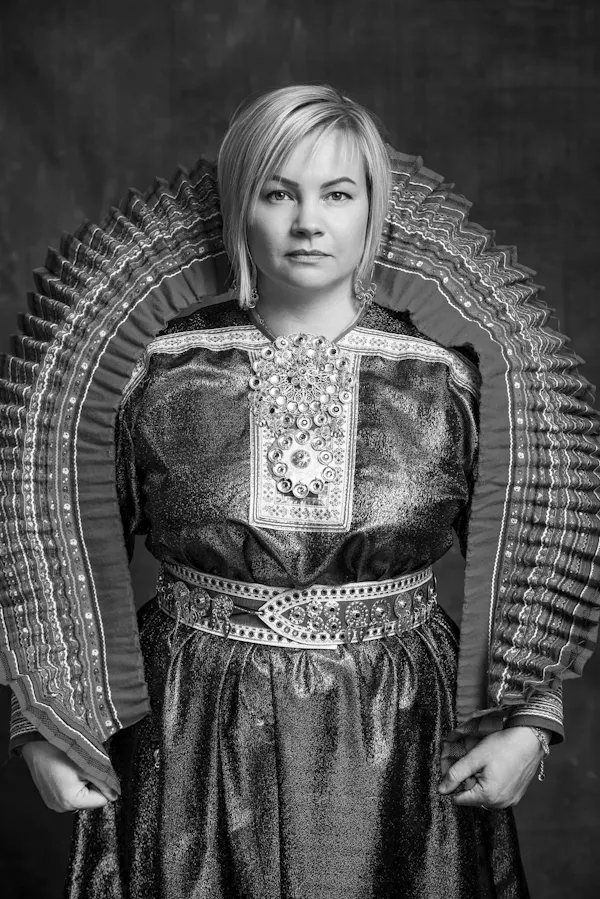
Máret Ánne Sara
- 1983
- Multidisciplinary artist
- Guovdageaidnu
Máret Ánne Sara is a multidisciplinary Sámi artist, who mainly works with visual art and text, but often curates and runs complex, interdisciplinary, collective and long-term art projects, such as her iconic Pile O´Sápmi project and the Dáiddadállu artist network. Máret Ánne grew up in a reindeer-herding family and a reindeer-herding Sámi community. She is a trained journalist, but since 2012 has devoted her work to art. As an artist, writer and journalist, Máret Ánne has a strong social and political commitment in her practice. Over a long period of time, she has dedicated her artistic research to make available the invisible, modern and democratized oppression of indigenous people, while at the same time working with a futuristic eye to recreate healthy and sustainable future strategies from an indigenous perspective.

Get to know Máret Ánne Sara through this filmportrait.

Photo: Per Heimly, 2023.

Photo: Per Heimly, 2023.

Photo: Per Heimly, 2023.
Máret Ánne has exhibited art since 2003. She has a solid list of official acquisitions and nominations to art and literature prizes. She became internationally known through her participation in Documenta 14 with her art project Pile o’Sápmi in 2017, and later exhibiting at the Venice Biennale in the historic first Sámi Pavilion in 2022. The National museum of Norway acquired Máret Ánne's works both from Documenta 14 and The Venice Biennale 2022. The Pile o'Sápmi Supreme piece, made of 400 bullet ridden reindeer heads, hung up as a 5x3 meter sized Sámi flag (Máret Ánne's iconic protest art against stately initiated forced culling of her family's reindeer, democratized colonialism and structural land encroachments) is today a center piece at the new National Museum in Olso. The piece has a center location at the museums entrance, positioned as the first work to encounter at National collection.

Pile o´Sápmi Supreme (2017)

Du-ššan-ahttanu-ššan, Venice Biennale, 2022.

Ale suova sielu sáiget - Don´t let your soul to be torn, Venice Biennale, 2022.
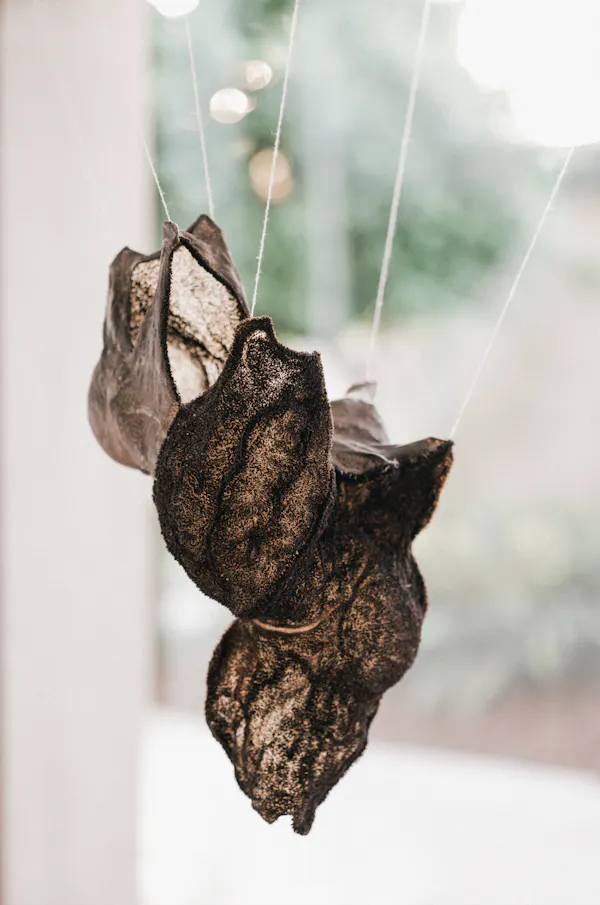
Gutted - Gávogálši (2022) by Máret Ánne Sara.
«Art is a crucial witness and tool to the Sámi consciousness and community who are deeply rooted into invisible colonial structures, but have no direct access to public power or awareness.»
Sara ákkastallá ahte dáidda lea mearrideaddji vihttánin ja reaidun sámi ipmárdussii ja servvodahkii, maid oaidnemeahttun koloniála struktuvrrat čiekŋalit dollet, muhto mas ii leat makkárge njuolggogeaidnu almmolaš fápmui iige diđolašvuhtii. Sus lei garra vuosteháhku dasa ahte stáhta fápmoásahus galggai oamastit dakkár politihkalaš barggu dego "Pile o´Sápmi Supreme", mainna son lei ráhčan háhkat almmolaš diđolašvuođa oaidnemeahttun, struktuvrralaš vearredaguide mat ain leat jođus su lagas eatnamiid, olbmuid, elliid, servodagaid, kultuvrra ja vuoigatvuođaid vuostá. Mieđai vuovdit maŋŋel guhkes šiehtadallamiid nationála museain ovddasvástádusa, oamasteami ja eamiálbmotdáidaga ovddasteami birra našuvnnalaš ásahusaid siskkobealde. Dát proseassa lea ovdamearka das mo Sara atná dáidaga njuolggoreaidun ovddidit sosiála, politihkalaš ja ásahuslaš rievdademiid.

Máret Ánne Sara representing Sápmi at La Biennale di Venezia 2022. Film by: Forest people

Pile o'Sápmi Supreme av Máret Ánne Sara. Film by: Nasjonalmuseet
Máret Ánne was highly critical to a stately power institution taking ownership of such a political work as "Pile o´Sápmi Supreme", by which she struggled to enforce public awareness upon ongoing, invisible, structural assaults against her immediate lands, people, animals, communities, culture and rights. She agreed to the sale after long term negotiations with the national museum about responsibility, ownership and representation of indigenous art within national institutions. The process is an example of how Máret Ánne uses art as a direct means to advocate social, political and institutional changes.